 Music Academie

How much practice is actually enough
Fifteen minutes on a Tuesday beats an hour on Sunday. What the research says, and what we see in the studio.
Autumn term · free trial lesson
Piano, guitar, violin, singing and theory, taught in a small studio in Berlin. Fifteen minutes of practice a day, planned with you, beats an hour of guilt on Sunday.
Children from five, adults of any age. No auditions, no recital pressure.
No rotation, no substitutes. The person who meets your child in September is there in December.
A written plan of 10-20 minutes a day, adjusted when work or football takes over.
ABRSM and Trinity preparation, or none at all. Both are legitimate choices.
Four teaching rooms, two pianos, and a waiting corner with coffee for parents.
Five routes, one method: play something real in the first month.
From first scales to Chopin. We start with pieces you actually want to play, and build the readi…
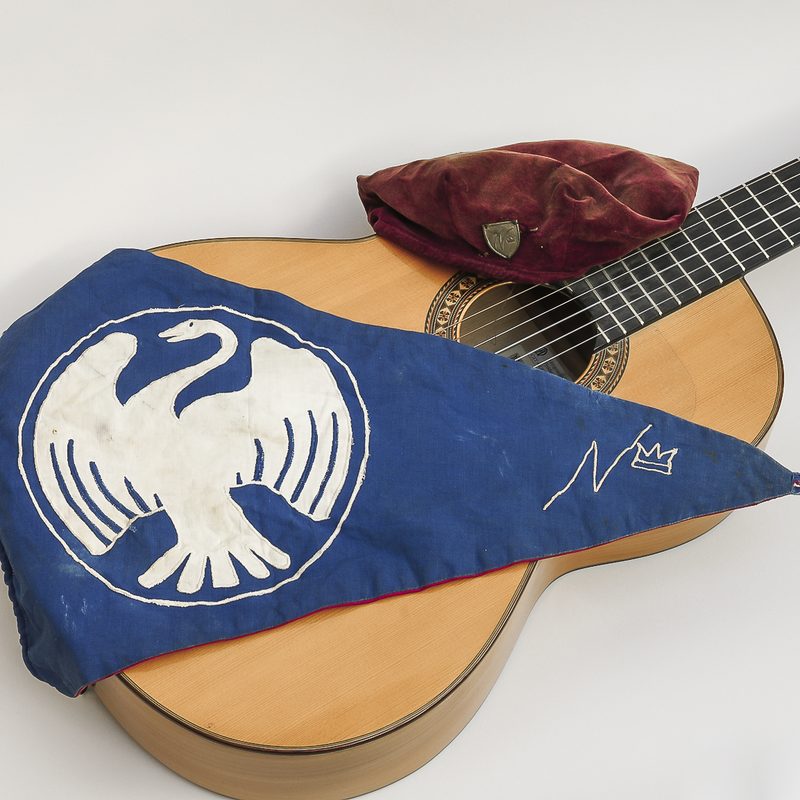
Classical, acoustic or electric. Chords in week one, and a practice routine that survives a busy…
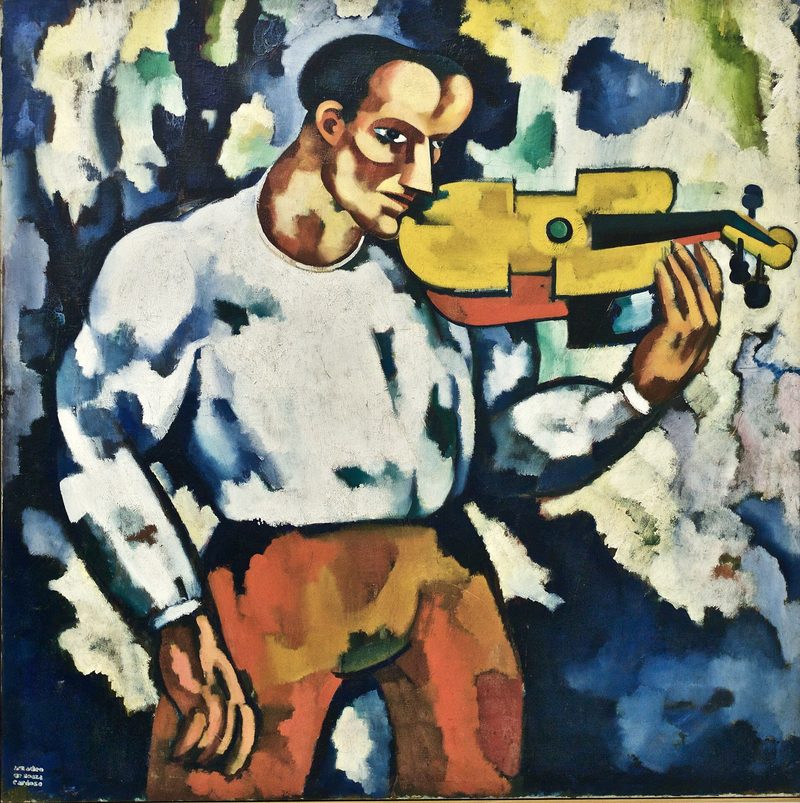
A patient start on posture and bowing, because a rushed first year costs three years later. Ense…
From first message to first lesson in about a week.
Age, instrument, any experience, and which evenings actually work.
You play, we listen, and we are honest about whether the fit is right.
Weekly slot, written practice plan, and a check-in at week four.
“We teach the piece the student wants, then use it to teach the technique. The other way round loses most adults by month three.”
Clara Wendt, founder
Practice, parents and the honest parts of learning an instrument.
Fifteen minutes on a Tuesday beats an hour on Sunday. What the research says, and what we see in the studio.
Size, patience and noise tolerance matter more than talent. A practical guide for parents.
It is almost never the hands. It is the repertoire, the schedule, and the idea that progress should be linear.
One email a month: what has opened up, exam dates, and the occasional practice tip that is not obvious.
Most of our adult students arrive with the same sentence: “I have no talent.” What they usually have is an old teacher who made them feel slow, or a method that started with theory instead of sound. We start with sound.
Children get the same treatment with more games: rhythm before notation, one hand before two, and a piece they can show a grandparent by week six. If you are comparing schools, read what a good trial lesson looks like before you book anything.